Hotels Near Split Old Town — 453 places | PriceRoom
WhereCity, hotel or point of interest
Check-inAdd dates
Check-outAdd dates
Who2 Guests
Split · Croatia · Landmark
Hotels near the Split Old Town
Split Old Town is the historic core of Split, Croatia, built directly into the remains of Diocletian’s Palace, a Roman retirement residence constructed between 295 and 305 AD.
Why stay near Split Old Town
Split Old Town is the historic core of Split, Croatia, built directly into the remains of Diocletian’s Palace, a Roman retirement residence constructed between 295 and 305 AD. Unlike a fenced archaeological park, this is a working neighborhood where apartments, cafés, shops, and churches occupy Roman walls and courtyards. People come to see how a city has grown inside a palace rather than around it. The most distinctive thing here is that the city itself is the monument: you walk Roman streets that have been continuously inhabited for more than 1,700 years, with everyday life unfolding inside the original imperial layout.
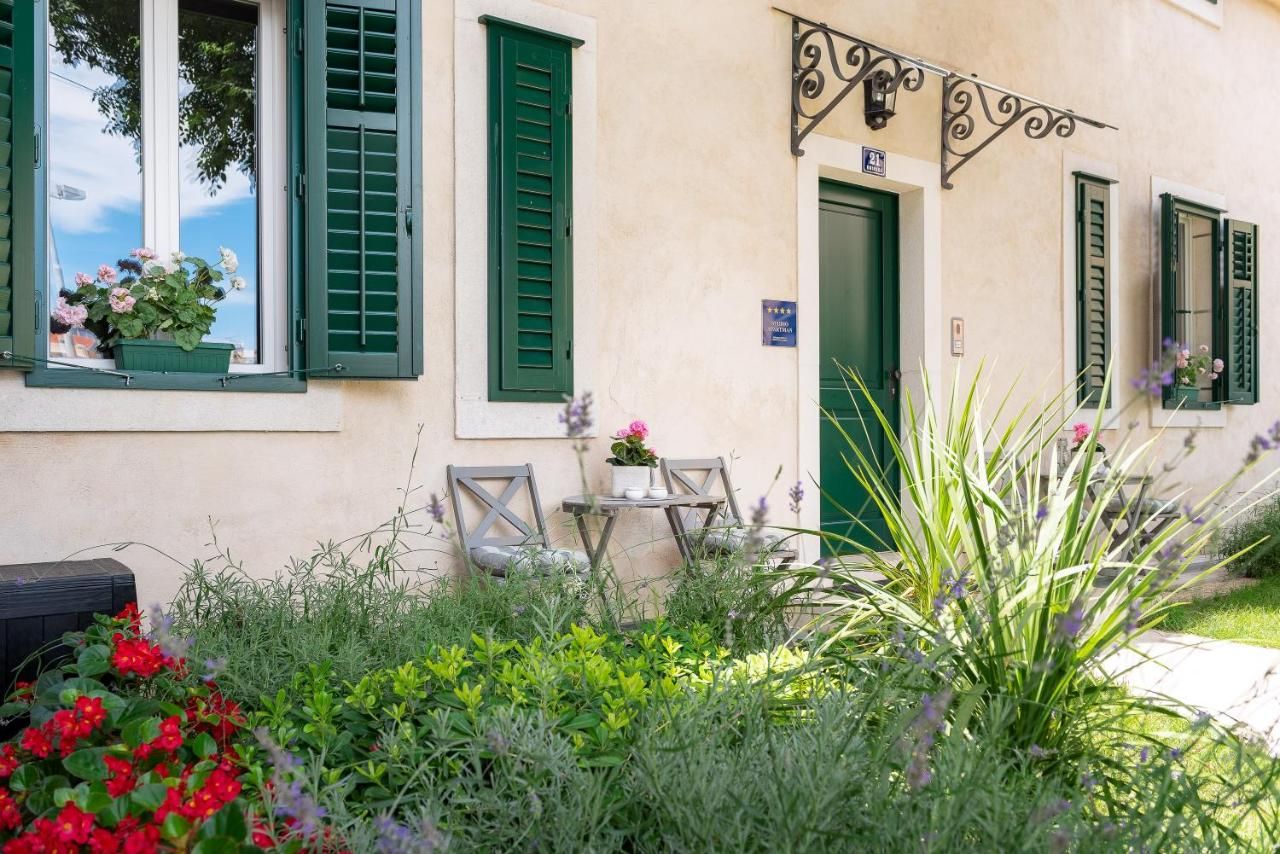
Quiet Old Town villa in Split with garden terrace and full kitchen.8.4 · 90 reviews
Where they sit around Split Old Town
Loading map…
About Split Old Town
Emperor Diocletian, born near Salona, ordered the palace as a fortified seaside retirement complex, combining a luxury villa with the layout of a Roman military camp. Built between 295 and 305 AD, the rectangular complex measured about 215 by 180 meters and was protected by towers and four main gates: Golden, Silver, Iron, and Bronze. After the fall of Salona in the 7th century, refugees moved within the palace walls, converting imperial halls into homes, workshops, and churches. Diocletian’s mausoleum was transformed into the Cathedral of Saint Domnius, now considered one of the oldest cathedral structures in continuous use in Europe. Over centuries, Roman foundations were layered with medieval, Gothic, Renaissance, and Baroque additions. Because of this continuous adaptation and preservation, the historic core of Split was inscribed on the UNESCO World Heritage List in 1979.
Best time to visit
Late morning through early evening is the busiest period, especially in peak season when cruise ships are in port. Early morning and later evening are noticeably quieter and better for walking narrow streets or spending time on the Peristyle. Spring and autumn offer a slower pace than summer while keeping most interior sites open, making them easier seasons for unhurried exploration.
Getting there
Split Old Town sits directly behind the Riva waterfront and is about a 5–10 minute walk from the ferry port, main bus station, and train station. Cars are impractical inside the historic core, with limited parking outside the walls. Most visitors arrive on foot from nearby transport hubs.
Things worth knowing
The Old Town itself is free and open at all hours, as it’s part of the living city.
Interior sites like the Cathedral, bell tower, and Palace Substructures require separate tickets and have seasonal hours.
Visit early morning or late evening to avoid the heaviest crowds from cruise ship arrivals.
Staying inside the palace walls often means stairs, older buildings, and some evening noise.
Parking is limited outside the walls; plan to walk from your accommodation or transport hub.
To be closest, stay inside Diocletian’s Palace or the Old Town (Grad), where everything is steps away but buildings are older and evenings can be noisy. Veli Varoš, just west, offers quick access with a more residential feel and routes toward Marjan Hill. East of the center, Lučac–Manuš is close to the ferry port and Green Market, with slightly more space. Bačvice or Firule suit guests wanting Old Town access plus time at sandy beaches, accepting a longer walk.
Common questions
Is Split Old Town free to visit?
Yes. Split Old Town is a public, lived-in area that’s open and accessible at all hours. You only pay for entry to specific interior sites like the Cathedral, bell tower, or Palace Substructures.
How long should I plan to spend in Split Old Town?
Most visitors spend about 2–4 hours wandering the Old Town itself. Allow more time if you plan to visit several interior attractions or combine it with the Riva waterfront.
What is the best time of day to visit?
Early morning and later evening are quieter and easier for exploring narrow streets. Late morning through early evening is busiest, particularly when cruise ships are in port.
Can you go inside Diocletian’s Palace?
Yes, but the palace isn’t a single building. You walk through it as part of the city, while certain areas like the Cathedral interior and substructures require separate tickets.